
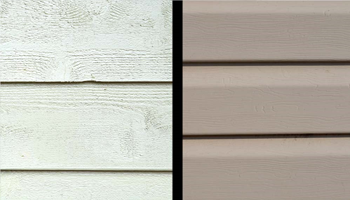

Fiber Cement vs Vinyl Siding: A 30-Year Cost Comparison With Real Break-Even Scenarios
Most homeowners compare siding on day-one price and stop there. That’s a mistake. The total cost of ownership (TCO) over 30 years includes installation, maintenance, energy impact, insurance, repairs, and the ugly surprise many budgets miss: mid-life replacement. This guide lays out the real numbers—where each material wins and where it quietly drains your wallet.
Initial Installation Costs (2025)
Fiber Cement — Material & Labor ($10–$14/sqft)
- Typical installed range for 5/16″ lap boards with standard trim and housewrap.
- Premium profiles, high-complexity facades, and custom colors land at the top of the range.
Vinyl Siding — Material & Labor ($3–$12/sqft)
- Standard hollow-back vinyl: generally $3–$8/sqft installed.
- Insulated (foam-back) vinyl: generally $6–$12/sqft installed, with improved rigidity and thermal performance.
Cost Breakdown for a 2,000 sqft Home (Siding Area)
Assumes straightforward two-story layout, average labor market, standard accessories.
| Material | Low | Average | High |
|---|---|---|---|
| Fiber Cement (installed) | $20,000 | $24,000 | $28,000 |
| Vinyl – Standard (installed) | $6,000 | $11,000 | $16,000 |
| Vinyl – Insulated (installed) | $12,000 | $17,000 | $24,000 |
Maintenance Costs Over 30 Years
Fiber Cement: Painting & Caulking Schedule
- Repainting: every 10–15 years in temperate zones; 7–10 years in high-UV/sun belts.
- Typical repaint ticket: $3,000–$7,000 (whole house), depending on prep and coatings.
- Joint/penetration caulking: every 5–7 years (budget a few hundred dollars each interval).
Vinyl: Cleaning & Panel Replacement
- Annual wash: DIY or $100–$250/year if you hire it out.
- Spot repairs: budgets vary; assume $150–$500 per incident for cracked/brittle panels or storm toss.
30-Year Maintenance Totals (2,000 sqft; realistic planning ranges)
| Climate / Wear Profile | Fiber Cement (repaint + caulk) | Vinyl (wash + spot repairs) |
|---|---|---|
| Temperate | $10,500–$13,500 (2 repaints + caulk) | $4,500–$7,500 |
| High-UV / Sunbelt | $17,000–$21,000 (3 repaints + caulk) | $5,500–$9,000 |
| Freeze-Thaw / Hail Risk | $11,500–$14,500 | $6,500–$10,500 |
Note: Vinyl’s low annual upkeep is real, but aging/fading can force a cost spike later—covered below.
Energy Efficiency Impact
R-Value Comparison (siding layer only)
- Fiber cement: minimal inherent R-value; energy gains depend on what’s behind it (housewrap, continuous insulation).
- Insulated vinyl: the foam backer typically adds meaningful thermal resistance (≈R-2+ class), which can translate into measurable heating/cooling savings in colder or mixed climates.
Insulated Vinyl vs Standard Fiber Cement
If you’re not adding continuous exterior insulation with fiber cement, insulated vinyl narrows the operating-cost gap—especially for homes with leaky walls or older cavities.
Annual Heating/Cooling Savings (directional planning)
- Cold/Mixed climates: insulated vinyl can yield modest but consistent yearly savings; think a low-hundreds $/yr for typical 2,000 sqft homes.
- Warm temperate: savings exist but are smaller; prioritize attic/air-sealing first for bigger wins.
Lifespan & Replacement Timeline
- Fiber cement: 50–100 years structural lifespan when installed/maintained correctly. Expect periodic paint—not wholesale replacement.
- Vinyl: 20–40 years depending on UV exposure, color fade, impact brittleness, and storm history. Many homes face partial or full replacement between years 20–30.
Partial replacement needs: Vinyl panels are replaceable, but color matching after a decade can be painful. Storm clusters (hail, wind) can turn small repairs into a larger facelift.
Insurance & Resale Value
Impact on Home Insurance Premiums
- Fiber cement is non-combustible and more resilient to heat; some carriers price that favorably.
- Vinyl can warp/melt near heat sources and take hail damage more readily. Actual premium deltas vary by state and carrier.
ROI at Resale
- Typical national cost-recoup ranges for exterior projects land around:
- Fiber cement siding: ~77.6% cost recouped at resale.
- Vinyl siding: ~74.7% cost recouped at resale.
- Your market may swing either way; curb appeal + buyer preferences matter.
Climate-Specific Cost Considerations
Hot/Humid (Sunbelt):
- UV load accelerates vinyl color fade and brittleness. If you choose vinyl here, insulated, thicker panels and lighter colors age better.
- Fiber cement will need more frequent repainting; budget for 7–10-year cycles.
Freeze-Thaw / Hail Regions:
- Fiber cement handles temperature swings well when gapped/caulked correctly.
- Vinyl can crack under impact and cold snaps; expect above-average spot repairs and potential early refresh.
Coastal / Salt Air:
- Fiber cement resists salt and airborne moisture but mind fastener corrosion and paint system quality.
- Vinyl avoids corrosion issues but can suffer wind-lift and hardware fatigue; proper fastening pattern is non-negotiable.
Total 30-Year Cost Calculator
Use this template in your editor to model your house. Replace bracketed values with your numbers.
30-Year Siding Cost Calculator
| Scenario | Total | $/year | $/sqft |
|---|---|---|---|
| Fiber Cement | |||
| Vinyl — Standard | |||
| Vinyl — Insulated |
- Replacement cost uses % × initial installed cost as a simple proxy (no inflation).
- Insurance delta reduces Fiber Cement; energy deltas reduce Vinyl totals.
- Adjust repaint intervals for high-UV regions if needed.
Tip: Run two vinyl scenarios (no replacement vs 30% replacement at year ~25) and one fiber cement scenario. That shows you the real break-even band.
Break-Even Analysis (2,000 sqft Example)
Assumptions (realistic mid-market):
- Fiber cement install: $24,000
- Vinyl install: Standard $11,000 | Insulated $17,000
- Fiber cement maintenance (temperate): $12,000 over 30 years (2 repaints + caulk)
- Vinyl maintenance (temperate): $6,000 over 30 years (wash + light repairs)
- Insurance delta favoring fiber cement: $0–$1,800 over 30 years (assume $900)
- Energy delta favoring insulated vinyl: $1,500–$4,500 over 30 years (assume $3,000 if cold/mixed)
- Vinyl replacement case A: no replacement inside 30 years
- Vinyl replacement case B: 30% refresh at year 25 (color/impact): $5,000 (insulated) / $3,300 (standard)
- Vinyl replacement case C: full replacement at year 25–30 (storm/aging): equal to initial
Results
- Temperate, no vinyl replacement (Case A):
- FC ≈ $24,000 + 12,000 − 900 = $35,100
- Insulated Vinyl ≈ $17,000 + 6,000 − 3,000 = $20,000
⇒ Vinyl wins decisively if you sell/move before major aging hits.
- Temperate, 30% vinyl refresh at year ~25 (Case B):
- Insulated Vinyl ≈ $25,000 total ⇒ Vinyl still ahead.
- High-UV / Storm belt, full vinyl replacement (Case C):
- Insulated Vinyl ≈ $17,000 (initial) + 17,000 (re-side) + 6,000 − 3,000 = $37,000
- Fiber Cement (with 3 repaints): $24,000 + 19,000 − 900 = $42,100
⇒ This can go either way based on repaint ticket sizes and event timing. If your repaint bids are lean and storm risk is high, fiber cement often closes the gap and can edge ahead beyond year 20–25.
Installer’s reality check (what budgets miss):
The true break-even typically sits between years 12–15. If you plan to move within ≤10 years, vinyl—especially insulated—is usually the economic winner. For 20+ year ownership, fiber cement starts to pay back through durability, insurance posture, and avoiding a full re-side risk.
Final Cost Verdict
- Under 10 years in the home: Choose vinyl (go insulated if winters are real). You capture low capex and likely sell before aging bites.
- 10–15 years, mild climate: Still vinyl unless you hate repainting and want a premium façade feel.
- 15–20+ years or harsh climates (high UV, hail, wind, wildfire exposure): Fiber cement becomes the safer long-horizon value—provided you budget repaints properly and want a material that shrugs off heat and impact better.
- Tight budget, wants energy help: Insulated vinyl delivers ~85% of fiber-cement curb appeal at ~60–70% of the price, with real-world thermal gains.
Run the long-term math with our Siding & Exterior Cladding Guide (2025), then compare real-world R-values, noise reduction, and payback deltas in insulated vinyl siding energy savings & brand comparisons.
Pro Installer Insight (from the field)
I’ve run lifecycle cost analyses for hundreds of homes. The pattern repeats: insulated vinyl punches above its weight and closes the efficiency gap, while fiber cement wins for owners who’ll actually keep the house and don’t want to play the replacement roulette at year 20–30. The common mistake? Forgetting to budget repaint cycles on fiber cement—$3,000–$7,000 each, sooner in sun-heavy states.