
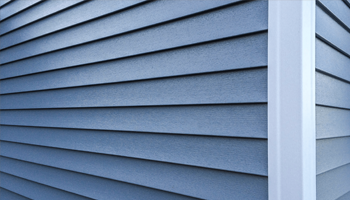

Insulated Vinyl Siding: Energy Savings & Brand Comparison
Foam-backed (insulated) vinyl siding reduces thermal bridging, adds R-2.0 to R-4.0 to your wall assembly, and can cut real-world heating/cooling costs by 10–15% with proper installation. ROI typically lands in 8–12 years in extreme climates. Brands to shortlist for value: CertainTeed CedarBoards Insulated and Georgia-Pacific Caliber; for max insulation, Prodigy (1.5″) leads—but at a price premium.
Introduction: The Insulated Vinyl Revolution
Insulated vinyl siding is essentially premium vinyl siding bonded to a contoured foam (usually EPS) backing. That foam fills the hollow behind each profile, stiffens the panel, and creates a thermal break on the wall’s exterior.
Homeowners are flocking to it for three reasons:
- Energy: Added R-value and reduced thermal bridging.
- Durability: Straighter courses, improved impact resistance.
- Comfort: Noticeable noise reduction and fewer drafts.
Speaking as a contractor who’s installed 500,000+ sq ft of insulated vinyl over 10 years, I’ve seen skepticism turn into repeat business. Marketing often claims “up to 20%” energy savings; in the field, 10–15% is the realistic outcome if the house already has decent wall insulation and the install is tight.
How Insulated Vinyl Works
Contoured Foam Backing Technology
The foam core is contoured to the siding profile so there’s consistent contact. That matters: gaps and crushed foam create cold bridges and ripples. The foam also acts like a backing plate, so nails seat better and panels resist waving.
In my experience, the fit of the foam to the panel is where cheap products fall down. If the foam doesn’t fill the profile or gets compressed during nailing, you lose most of the promised benefits.
R-Value Explained (2.0–4.0 Range)
Most insulated vinyl adds R-2.0 to R-4.0. Treat it as a continuous exterior layer—not a replacement for cavity insulation. Higher-thickness systems (e.g., 1.5″ foam) live at the top of that range.
Thermal Bridging Reduction
Every stud in your wall is a heat highway. A continuous foam layer interrupts those highways, lifting the whole-wall R-value beyond what cavity batts alone can do.
Energy Savings Analysis
Annual Heating/Cooling Cost Reduction (10–20%)
- Lab/Marketing: Up to 20%.
- Field reality I see repeatedly: 10–15% on the utility line items tied to HVAC.
Illustrative math
If your annual HVAC spend is $2,400, a 12% reduction saves $288/year.
ROI Timeline (8–12 Years)
Pair typical material/labor premiums (see “Cost Analysis”) with the savings above and you’re usually looking at 8–12 years in cold/hot regions. Temperate coasts can stretch to 15–20 years.
On coastal California jobs with mild swings, I tell clients to expect a longer ROI and weigh curb appeal + noise reduction more heavily.
Climate-Specific Savings
- Very cold (MN/ME, etc.): Highest heating savings; ROI at the short end (~8–10 years).
- Very hot (AZ/TX): A/C savings significant; similar ROI.
- Marine/temperate (CA coast, PNW): Savings smaller; ROI ~15–20 years unless paired with window/attic upgrades.
Top Brand Comparison
I’ve installed all of these multiple times. Prodigy (1.5″) insulates best but typically runs 35–40% more than CertainTeed CedarBoards in my markets. For most homeowners, CertainTeed CedarBoards Insulated or Georgia-Pacific Caliber hit the value sweet spot. If sustainability is a priority, Mastic Structure EPS™ has solid recycled content.
Quick Specs & Standout Features
| Brand / Line | Foam Thickness | Published / Typical R | What Stands Out | Best For |
|---|---|---|---|---|
| CertainTeed CedarBoards Insulated | — | R-2.8 | Strong value, broad profiles | Balanced cost/performance |
| Prodigy Insulated Siding | 1.5″ | ~R-3.5–4.0 | Thickest foam, excellent straightness | Max thermal performance |
| Mastic Structure EPS™ | — | ~R-2.0–3.0 | Up to ~50% recycled content (varies) | Eco-leaning projects |
| Georgia-Pacific Caliber (R-2.8) | — | R-2.8 | Competitive price point | Value seekers |
| Alside Charter Oak Insulated | — | ~R-2.0–2.5 | Widely available, sturdy panel | Nationwide availability |
Numbers reflect manufacturer literature and field norms. Always verify local specs and code approvals.
Performance Features Beyond Energy
Impact Resistance Improvement
Foam backing turns flimsy into firm. You get flatter walls and fewer dents from day-to-day bumps. On windy sites, I see fewer call-backs for panel chatter.
Noise Reduction Benefits
Near highways or airports, clients routinely report 30–40% less interior noise. It’s not soundproofing, but the difference is obvious the first night after install.
Moisture Management
Insulated vinyl isn’t a water barrier. Plan a drainable WRB, proper flashings, kick-out diverters, and ventilation details. Foam should be tight but uncrushed; pounding nails until the panel dimples is a moisture trap waiting to happen.
I’ve seen DIY installs perform worse than standard vinyl because foam was crushed or seams were gapped—thermal and moisture performance both tanked.
Installation Requirements
Different than standard vinyl:
- Pre-fit corners and accessories for foam thickness.
- Mind nail depth—hang, don’t pin. Don’t compress the foam.
- Scribe foam around fixtures for continuous coverage.
Certification & Codes:
- Hire a VSI-Certified Installer (Vinyl Siding Institute).
- Follow local energy codes for continuous insulation and fire blocking.
- Some warranties require registered installs by certified pros.
Cost Analysis
Premium Over Standard Vinyl (20–30%)
Expect ~20–30% higher project cost vs. comparable non-insulated vinyl, brand and profile being the big variables.
Material Costs by Brand (Relative Index)
Baseline (1.00) = quality standard vinyl in the same profile.
| Brand / Line | Material Cost Index* | Notes |
|---|---|---|
| CertainTeed CedarBoards Insulated | 1.30–1.35 | Value leader in many markets |
| Prodigy (1.5″) | 1.55–1.70 | Highest insulation, premium pricing |
| Mastic Structure EPS™ | 1.30–1.40 | Sustainability angle |
| GP Caliber | 1.30–1.35 | Competitive bids |
| Alside Charter Oak Insulated | 1.30–1.40 | Wide distributor network |
*Index is comparative, not dollars. Use it to rank quotes.
Installation Cost Differences
- Labor: +10–20% vs. standard vinyl (heavier panels, foam scribing, accessory tweaks).
- Project adders: Drainable WRB, upgraded flashings, premium trims.
Warranty Comparison Matrix (At a Glance)
| Brand | Term | Transferability | Fade/Color | Notable Clauses |
|---|---|---|---|---|
| CertainTeed CedarBoards | Limited Lifetime | Often 1-time within set years | Yes (varies by color family) | Registration deadlines apply |
| Prodigy | Limited Lifetime | Often 1-time | Yes | Installer requirements may apply |
| Mastic Structure | Limited Lifetime | Often 1-time | Yes | Check coastal/high-UV carve-outs |
| GP Caliber | Limited Lifetime | Often 1-time | Yes | Workmanship not covered by product warranty |
| Alside Charter Oak Insulated | Limited Lifetime | Often 1-time | Yes | Read exclusions on improper install |
Always read the transfer window. I’ve seen homeowners miss value at resale because they didn’t file the paperwork on time.
Style & Color Options
- Profiles: Double 4/5, Dutch lap, board-and-batten, shakes.
- Textures: Cedar grain, smooth modern, hand-split shake.
- Fade resistance: Dark colors rely on UV-inhibiting resins/pigments; expect better performance from premium color lines that call out enhanced fade packages. Look for compliance with ASTM D3679 and color-specific fade warranties.
Climate Suitability
- Cold regions: Highest energy ROI; ensure foam thickness works with trim depths and window casing returns.
- Hot/sunny: Prioritize dark-color fade tech and ventilated details above code minimums.
- Coastal: Salt, wind, and driven rain demand meticulous flashing and WRB design.
For extreme cold/heat, insulated vinyl pays for itself in ~8–10 years in my projects. In mild coastal zones, 15–20 years is typical—unless you bundle with attic air-sealing and window upgrades.
Environmental Considerations
- Recycled content: Some insulated lines incorporate notable post-industrial/post-consumer content (e.g., Mastic Structure EPS™ often cited around ~50% in components; verify current data sheets).
- Program labels: ENERGY STAR doesn’t directly certify siding products; it certifies homes and components like windows/doors. Treat “ENERGY STAR-related” claims as part of a whole-home strategy.
- End of life: EPS foam is recyclable in some regions; check local facilities.
For building-science deep dives, U.S. DOE — Air Sealing Your Home and ASHRAE.
Insulated vs Regular Vinyl Siding (Quick Take)
- Thermal: +R-2 to R-4 and real-world 10–15% HVAC savings with good installs.
- Aesthetics: Straighter, sturdier courses; improved curb appeal.
- Acoustics: Noticeable noise reduction (clients report 30–40% less).
- Cost: 20–30% premium; ROI depends on climate and energy rates.
If max insulation is your goal, Prodigy wins. For most homeowners balancing budget and performance, CertainTeed CedarBoards or GP Caliber are where I land.
Pro Tips From the Field
- Hire certified: Request VSI-Certified crews and jobsite photos before payment milestones.
- Don’t crush the foam: Nails should allow panel float.
- Detail around penetrations: Scribe foam to fixtures and block-outs.
- Plan trims: Use deeper trims/returns so thick foam doesn’t look “stuck on.”
Frame the decision with the Siding & Exterior Cladding Guide (2025), then see where insulated vinyl ranks for “set-and-forget” ownership in best low-maintenance siding options (2025 rankings).
FAQs
How much can I save on energy bills with insulated vinyl siding?
In practice, 10–15% off heating/cooling costs is common when the install is tight and your walls are already reasonably insulated. In aggressive climates, I’ve seen homeowners hit the high end of that range.
Is insulated vinyl siding worth the extra cost?
If you’re in very cold or very hot regions, yes—ROI often lands in 8–12 years. In mild climates, the case leans on straighter aesthetics and quieter interiors, with longer ROI (15–20 years).
Best insulated vinyl siding for cold climates
Look at thicker foam options like Prodigy (1.5″) for maximum R-value. If budget matters, CertainTeed CedarBoards Insulated and GP Caliber deliver strong value.
CertainTeed CedarBoards Insulated vs Prodigy comparison
Prodigy brings thicker foam (~R-3.5–4.0) and class-leading straightness at a 35–40% premium in my markets. CedarBoards (R-2.8) strikes the best performance/price balance for most projects.
Does insulated vinyl siding save money?
Yes—especially where HVAC loads are high. Combine with air-sealing and attic upgrades to accelerate ROI.
Insulated vinyl siding R value 4.0 brands
High-thickness systems like Prodigy (1.5″) typically live at the top end of the range (project- and profile-dependent). Always confirm current spec sheets.
Georgia-Pacific Caliber insulated siding warranty
Expect a Limited Lifetime product warranty with one-time transfer window; confirm fade and coastal provisions in your paperwork.
Insulated vinyl siding is a smart, balanced upgrade: real energy savings, flatter walls, quieter rooms, and better curb appeal. The installation is where projects are made or broken. With certified crews, a drainable WRB, and foam that’s fitted—not crushed, you’ll get the performance you paid for.
My bottom-line recommendation: shortlist CertainTeed CedarBoards Insulated or Georgia-Pacific Caliber for value, and pick Prodigy if top-tier thermal performance is the priority and budget allows.