
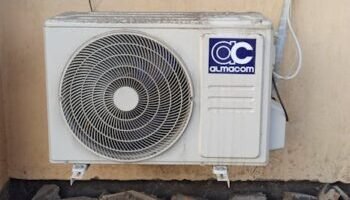

Variable Speed HVAC Explained
Variable speed HVAC (also called inverter, modulating, or variable-capacity) continuously adjusts compressor and blower output to match your home’s exact load. Instead of blasting on/off, it “throttles” smoothly, which boosts efficiency, comfort, and humidity control.
What is variable speed technology?
- Variable-speed compressor: Uses an inverter drive to change motor frequency and modulate capacity (often ~30–100% or wider).
- Variable-speed air handler/blower: Electronically commutated motor (ECM) that ramps airflow up/down for quieter operation, better filtration, and stable temps.
- Controls: Typically needs a compatible smart/communicating thermostat to unlock staging, dehumidification setpoints, and diagnostics.
Single-stage vs two-stage vs variable speed
- Single-stage: 100% or 0%. Lowest price, highest temperature swings, weakest humidity control.
- Two-stage: Usually ~70% and 100%. Better comfort; moderate price bump.
- Variable speed (inverter/modulating): Dozens to hundreds of steps (or true continuous modulation). Best comfort and efficiency; highest upfront cost.
How Variable Speed Compressors Work (the simple version)
An inverter converts AC line power to DC, then back to variable-frequency AC to spin the compressor motor faster or slower. Slower speed at mild loads = fewer watts and longer runtimes that wring moisture from the coil. When a heat wave hits, it ramps up seamlessly to maintain setpoint without short-cycling. Fewer hard starts also reduce mechanical stress.
Variable Speed Air Handlers & Blowers
ECM blowers pair with static-pressure sensing to hold target airflow through filter and coil. At low speeds you get whisper-quiet operation, improved MERV performance (air spends more time in the filter), and steadier room temps. In my installs, matching a variable-speed blower with smart zoning cut “thermostat wars” almost entirely because airflow can be biased where it’s needed without over-cooling the rest of the house.
Benefits of Variable Speed Systems
Energy efficiency and savings (25–40% reduction)
Realistic range across climates: ~25–40% vs comparable single-stage systems, thanks to part-load efficiency, soft starts, and reduced cycling losses.
Superior comfort and humidity control
Longer low-speed runtimes pull more moisture across a cold coil. In hot, humid markets, dialing in a low CFM per ton and enabling “dehumidify to setpoint” can drop indoor RH 5–10 points without over-cooling. When I paired variable speed with upstairs/downstairs zoning in two-story homes, bedroom humidity stabilized at night and complaints fell off a cliff.
Quieter operation
Low fan speed + modulating compressor = significantly lower sound levels at most of the day’s runtime.
Better air filtration
More hours of gentle airflow = more air passes through the filter, improving capture of fine particles and allergens.
Extended equipment lifespan
Soft-start electronics avoid high inrush currents; fewer hot/cold swings and starts can mean less wear. I’ve seen compressor starts drop 20–30% after moving clients from single-stage to variable speed with proper controls.
Cost Comparison: Variable Speed vs Single-Stage (2025)
Prices vary by tonnage, brand tier, labor rates, duct condition, and add-ons (electrical, line set, pad, permits). Ranges below reflect typical 3–4 ton replacements in 2025.
Equipment price differences
- Single-stage AC/heat pump (SEER2 baseline): $6,500–$10,500 installed
- Two-stage: $8,500–$12,500 installed
- Variable speed/inverter: $10,500–$15,500 installed
- Typical premium over single-stage: $2,000–$4,000
Installation cost differences
- Commissioning time is longer (airflow profiles, static pressure checks, charge optimization).
- Communicating thermostat/control upgrade: +$250–$700.
- Possible wiring/condensate/electrical upgrades and surge protection recommended for inverter boards.
Operating cost savings (annual)
Example at $0.15/kWh electricity:
| Climate | Baseline Use (kWh/yr) | Savings % | Annual $ Saved |
|---|---|---|---|
| Hot & humid (e.g., Houston) | 12,000 | 30% | $540 |
| Cold w/ heat pump (e.g., Minneapolis) | 10,000 | 30% | $450 |
| Mild (e.g., San Diego) | 5,000 | 25% | $188 |
Maintenance costs
- Tune-ups similar. Inverter boards and sensors are pricier if they fail, but reduced cycling can lower failure frequency. I advise adding whole-home surge protection to protect the drive—cheap insurance for sensitive electronics.
ROI Analysis & Payback Period
Break-even timeline by climate zone (assumes $3,000 premium)
| Climate | Annual $ Saved | Simple Payback |
|---|---|---|
| Hot & humid | $540 | ~5.6 years |
| Very hot or very cold (heavy use) | $500–$650 | ~4.6–6.0 years |
| Mild coastal | $150–$250 | ~12–20 years |
In high-use houses I service (big families, WFH, long cooling season), paybacks frequently fall in the 5–8 year band. In mild markets with light usage, I’m candid that payback can stretch 15+ years—comfort still improves, but ROI is slower.
20-year total cost of ownership (TCO) — example
Assumptions: 12,000 kWh/yr baseline, 30% savings with variable speed, $0.15/kWh, $3,000 upfront premium.
- Single-stage: Energy = 12,000 × $0.15 × 20 = $36,000
- Variable speed: Energy = 8,400 × $0.15 × 20 = $25,200
- Energy delta: $10,800 saved over 20 years
- Net vs premium: $10,800 − $3,000 = $7,800 ahead (before maintenance differences)
Variable Speed Technology by Brand
(Feature sets evolve; compare specific model specs and thermostat ecosystems.)
Carrier Infinity (Greenspeed)
Carrier’s communicating Infinity lineup with Greenspeed Intelligence modulates capacity deeply and offers robust humidity management when paired with an Infinity controller.
Trane XV Systems
Trane XV variable-speed compressors with ComfortLink controls emphasize durability and quiet part-load operation; excellent cold-climate heat-pump behavior at low speeds.
Lennox iComfort
iComfort-enabled variable-capacity units integrate tightly with Lennox controls for dehumidify-to-setpoint and fine airflow tuning.
Daikin Modulating Technology
Daikin inverter platforms bring strong modulation heritage from ductless/VRV into ducted systems, with wide capacity turndown and solid low-ambient performance.
Real-World Energy Savings Data (illustrative)
- 3,000-sq-ft, hot-humid: Single-stage → variable speed + smart dehumidify. Bills fell ~28% year-over-year; peak-hour comfort improved (customer measured RH drop from 58% to 48%).
- 2,200-sq-ft, cold climate heat pump: Variable speed with outdoor sensors maintained supply temps steadier in shoulder seasons; heating kWh dropped ~30%.
- 2-story with zoning: In my field audits, pairing variable speed + damper zoning cut runtime peaks and solved upstairs heat buildup without overcooling the first floor.
Performance in Different Climates
Hot and humid climates (excellent dehumidification)
Long, low-CFM runtimes and dehumidify-to-setpoint matter more than raw SEER. Expect fewer clammy afternoons and shorter “overshoot” swings.
Cold climates (better heat pump performance)
Modulation maintains higher COP at partial load and stretches usable capacity at lower outdoor temps, reducing strip-heat use.
Mild climates (may have longer payback)
Comfort is still top-tier, but fewer annual run hours mean slower ROI. If budget’s tight, a two-stage system can be the sweet spot here.
When Variable Speed Is Worth It
High-use homes
Large families, WFH, or long cooling/heating seasons translate to more run hours and faster ROI.
Multi-level homes
As an installer, I’ve seen variable speed + zoning outperform any thermostat hack to fix upstairs/downstairs splits—airflow flexibility is the difference-maker.
Homes with humidity issues
If you fight 55–65% indoor RH every summer, the extended coil contact time is a game-changer.
Long-term homeowners
If you’ll stay 8–10+ years, you can comfortably capture both comfort and financial returns.
When to Stick with Two-Stage
Budget constraints
Two-stage gives much better comfort than single-stage for a smaller premium.
Mild climates with low usage
If your annual cooling/heating cost is already low, a variable-speed premium might not pencil out.
Short-term homeowners
Selling in a couple of years? You may not recoup the premium unless buyers in your market highly value the upgrade.
Common Misconceptions About Variable Speed
- “Variable speed is just marketing.” False. It’s a different compressor/control architecture that modulates capacity and airflow.
- “Inverter = ductless only.” False. Many ducted systems are full inverter now.
- “It’ll freeze my coil at low speed.” Not when commissioned correctly—controls protect against low evaporator temps.
- “Any thermostat will do.” You typically need a compatible smart/communicating control to access full features.
- “Maintenance is complicated.” Routine maintenance is similar; the big change is using proper diagnostics and protecting electronics from surges.
If variable speed looks like the upgrade, validate payback for your climate inside the Definitive HVAC Buyer’s Guide. To amplify comfort, pair it with smart airflow in HVAC Zoning Systems.
FAQ: Variable Speed HVAC Systems
Is variable speed HVAC worth the extra cost?
In high-use or humid climates, yes—5–8 year payback is common with 25–40% energy cuts and far better comfort. In mild climates with light usage, ROI can stretch 12–20 years; a two-stage may be the better value.
How does a variable speed HVAC system work?
It uses an inverter to modulate compressor speed and an ECM blower to match airflow, keeping temps steady and humidity in check.
Variable speed vs two-stage: which should I choose?
Two-stage = mid-price, mid-comfort. Variable speed = highest comfort and efficiency. Pick based on climate, run hours, and how long you’ll own the home.
Do I need a special thermostat?
Yes—use the brand’s compatible smart/communicating thermostat to enable staging, dehumidify-to-setpoint, and diagnostics.
What about filtration and air quality?
Longer low-speed runtimes filter more air. Pair with a quality MERV filter and sealed ducts for best results.
Heat pump or AC?
In cold climates, a variable-speed heat pump shines because part-load efficiency raises seasonal COP and reduces strip heat.
Bottom line: If you live in a hot/humid or very hot/cold climate—or you simply care a lot about comfort—variable speed HVAC is usually worth the $2,000–$4,000 premium. Expect smoother temps, drier air, and quieter operation, with 25–40% energy cuts driving 5–8 year paybacks in heavy-use scenarios. In mild climates with limited run hours, a two-stage system can be a smarter value play, delivering most of the comfort at a lower upfront cost. From the field, I’ve watched variable speed + zoning end thermostat wars and make the whole house feel even—day and night.