

Ductless Mini-Split Systems – Is Geothermal Worth It?
Remote work, ADUs, and electrification are pushing homeowners toward ductless mini-split heat pumps. They deliver room-by-room zoning without duct losses, run whisper-quiet, and hit higher SEER2/HSPF2 efficiencies than most legacy systems. For garages, home offices, and older homes without ducts, a mini-split is often the fastest, cleanest path to efficient cooling and heating.
What is a ductless mini-split system?
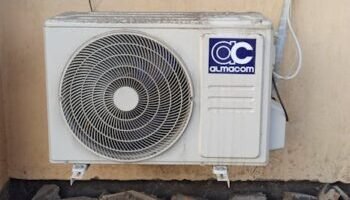
A mini-split has an outdoor condenser and one or more indoor “heads” connected by a slim line set (refrigerant lines, power/control cable, and condensate drain). Variable-speed inverters modulate output so rooms hold steady temperatures without the on/off swings of conventional HVAC.
Key advantages over traditional HVAC
- Zoning: Condition only the rooms you use.
- Efficiency: No duct leakage; high SEER2/HSPF2 ratings lower bills.
- Flexibility: Fits additions, retrofits, and outbuildings without tearing up walls for ducts.
- Comfort: Very low indoor sound levels (often under ~20–21 dB in quiet modes).
Best Ductless Mini-Split Brands 2025
Quick comparison (typical single-zone 9–12k BTU highlights):
| Brand | Top SEER2 (select models) | Indoor sound (as low as) | Typical warranty (registered) | Market positioning |
|---|---|---|---|---|
| Mitsubishi Electric | Up to 30–33 SEER2 on select lines | ~19 dB | 10–12 yrs parts (varies by program) | Premium reliability, broad lineup |
| Fujitsu | Up to ~26–30 SEER2 (model-dependent) | ~19 dB | 10–12 yrs parts (program-dependent) | Cold-climate strength, quiet |
| Daikin (Aurora) | ~20–21 SEER2 common sizes | ~— | 12 yrs parts (registered) | Strong value + solid dealer network |
| LG | ~22.5 SEER2 (Art Cool/Mirror) | ~21 dB | 10 yrs parts/compressor | Design-forward, good value |
| Gree (Sapphire R32) | ~24–30 SEER2 (size-dependent) | ~— | 5 yrs typical | High efficiency per dollar |
| MRCOOL (DIY) | Up to ~22.5 SEER2 | ~— | ~7 yrs compressor / 5 yrs parts | True DIY option with pre-charged lines |
| Pioneer | ~21–25 SEER2 depending on series | ~— | ~5 yrs parts & compressor | Budget equipment with broad availability |
Installed cost varies by market and configuration. See “Installation Costs” below for 2025 ranges.
#1 Mitsubishi Electric: Best Overall
Product lineup
Wall-mount (MSZ series) for bedrooms/offices, ceiling cassettes for open areas, floor-mount for basements; multi-zone MXZ condensers support whole-home zoning.
Efficiency ratings
Select lines reach very high SEER2; across common sizes, Mitsubishi stays near the top tier with strong HSPF2 cold-weather performance.
Price range (single-zone installed)
Generally mid-high in market: expect a premium vs. value brands.
Pros and cons
Pros: Excellent reliability, ultra-quiet indoor units (~19 dB), deep accessory ecosystem, strong contractor support.
Cons: Higher upfront price; pro install needed to keep full warranty.
#2 LG / Fujitsu: Best Value (pick by local availability)
LG brings design (Art Cool Gallery/Mirror) and solid efficiency; Fujitsu stands out for cold-climate models and very quiet heads.
Product lineup
- LG: Stylish wall-mounts plus multi-zone packages; good smart control options.
- Fujitsu: Wide R32 lineup including “XLTH/cold-climate” variants; multi-zone options for whole-home coverage.
Efficiency ratings
- LG: Single-zone packages around ~22.5 SEER2 on popular 12k units.
- Fujitsu: New R32 wall-mounts reach mid-20s SEER2 and above on select sizes; multi-zone SEER2 is typically lower (normal for multi).
Price range (single-zone installed)
LG: upper-value to midrange.
Fujitsu: midrange to premium depending on model.
Pros and cons
LG Pros: Good value, quiet (~21 dB on select), attractive indoor units. Cons: App/ecosystem varies by model.
Fujitsu Pros: Cold-climate performance, very quiet (~19 dB), efficient. Cons: Parts/programs vary by region; fewer DIY-friendly options.
#3–5: Other Top Brands (Daikin, Gree, Pioneer, MRCOOL)
- Daikin (Aurora series): Solid single-zone ~20–21 SEER2 with enhanced cold-weather operation; 12-year parts limited warranty when registered. Midrange price, strong dealer network.
- Gree (Sapphire R32): High efficiency for the price (~24–30 SEER2 depending on capacity). Budget-friendly, but U.S. support varies by channel.
- Pioneer: Broad line with ~21–25 SEER2 models; ~5-year registered parts/compressor. Budget gear widely sold online.
- MRCOOL DIY: True DIY kits with pre-charged quick-connect lines; ~22.5 SEER2 on 12k systems. Big labor savings potential; warranty shorter than premium brands.
Mini-Split System Types Explained
Single-zone vs multi-zone
- Single-zone: One outdoor unit to one indoor head—ideal for a garage, bonus room, or office.
- Multi-zone (2–8 heads): One outdoor unit feeding multiple rooms—whole-home zoning without ducts. Efficiency ratings are typically lower than single-zone but you gain flexibility.
Wall-mounted vs ceiling cassette vs floor-mounted
- Wall-mounted: Most common and cost-effective; high placement improves throw and mixing.
- Ceiling cassette: Clean, discreet look and four-way airflow for open layouts.
- Floor-mounted: Useful for knee walls, basements, or when high wall space is limited.
Cooling-only vs heat pump
- Cooling-only: Niche for hot climates.
- Heat pump (most models): Efficient year-round heating and cooling—even in cold climates—plus access to rebates where available.
Installation Process & Requirements
DIY vs professional installation
- DIY path: Limited to brands with pre-charged, quick-connect line sets (e.g., MRCOOL). Saves ~$800–$2,000 in labor on a single zone. Risks: improper flares/torque, missed vacuum/pressure tests, and warranty constraints.
- Pro path: Required for premium brands and full warranty. Pros handle nitrogen pressure testing, vacuum to ~500 microns, charge adjustments, and code compliance—often required to qualify for utility incentives.
Permits and code requirements
- Mechanical permit: Commonly required for new HVAC installs.
- Electrical permit: Required when adding a new dedicated circuit/disconnect.
- Inspections: Many jurisdictions require final inspection for safety and code compliance. Always check your local authority before purchasing.
Electrical requirements
- Dedicated circuit: Most single-zone systems need 208/240V and a 15–30A breaker depending on BTU size; some small units offer 120V variants. Follow the unit nameplate for minimum ampacity and max fuse/breaker, and size wire accordingly.
- Disconnect: Outdoor local disconnect within sight of the condenser.
- GFCI/AFCI: May be required in specific locations per local code.
Line set & condensate
- Line set: Keep runs within manufacturer limits; avoid tight bends; pressure-test with nitrogen before pulling a deep vacuum (target ~500 microns and hold).
- Condensate: Maintain ⅛″–¼″ per foot continuous slope to drain; support lines and avoid sags. Use a condensate pump when gravity drain isn’t possible.
Installation Costs by Configuration (2025)
Market labor and copper pricing shift, but these U.S. ballparks are reliable for planning:
Single-zone costs
- Installed: $2,000–$6,000 for a typical 9–12k BTU wall-mount.
- DIY kits: ~$1,200–$3,500 equipment; add $100–$500 for tools/supplies if you don’t already own them.
Multi-zone costs (2–5 zones)
- 2-zone: $4,000–$8,000 installed.
- 3-zone: $5,500–$10,500 installed.
- 5-zone: $8,000–$18,000+ depending on line lengths, head types (cassettes cost more), and electrical work.
Sizing Guide: How Many BTUs Do You Need?
Rule-of-thumb gets you in the ballpark; final selection should consider insulation, glazing, orientation, and climate (or use Manual J).
BTU calculator by room size (8 ft ceilings, average insulation)
| Room size (sq ft) | Base BTU | Typical use |
|---|---|---|
| 150–250 | 6,000–9,000 | Bedroom/office |
| 250–350 | 9,000–12,000 | Bedroom/living |
| 350–500 | 12,000–15,000 | Larger living area |
| 500–750 | 18,000 | Garage/workshop |
| 800–1,200 | 24,000–30,000 | Open plan |
Climate zone adjustments
- Hot/humid: add ~+20–30%
- Cold climate (heating priority): add ~+10–20%
- High sun/poor insulation: add ~+10–20%
When in doubt, have a contractor run a Manual J load calc. Oversizing leads to short-cycling and humidity issues; undersizing strains the system.
Energy Efficiency: SEER2 Ratings Explained
SEER2 is the 2023+ efficiency metric that uses a tougher, more realistic test procedure than the old SEER. Higher SEER2/HSPF2 = lower operating costs. Single-zone wall mounts often post the highest SEER2; multi-zone systems rate lower but add zoning flexibility.
Pros and Cons of Ductless Mini-Splits
Pros
- High efficiency and lower bills
- Zoning (room-by-room control)
- Quiet operation
- No duct construction in retrofits
- Heat pump models provide year-round comfort
Cons
- Higher upfront cost than window units
- Visible indoor heads (unless you choose cassettes/ducted air handlers)
- Maintenance: filter cleaning, annual check-ups
- Multi-zone design requires careful load balancing
Best Applications for Mini-Splits
Home additions
Condition new space without touching the main system.
Older homes without ductwork
Avoid invasive duct installs; target rooms that need it.
Multi-unit buildings & ADUs
Independent metering and temperature control.
Garages and workshops
Common sweet spot: 18k BTU heat pump plus insulation upgrades.
Planning a mixed ducted + ductless home? Model the trade-offs in the HVAC Buyer’s Guide. Then cross-shop ecosystems in Carrier vs Trane vs Daikin.
FAQ: Ductless Mini-Split Systems
What are the best ductless mini-split brands?
Mitsubishi for premium reliability; Fujitsu and Daikin for strong value and cold-climate options; LG for design/quiet; Gree, Pioneer and MRCOOL for budget/DIY.
How much does mini-split installation cost in 2025?
Single-zone: about $2,000–$6,000 installed; multi-zone: $4,000–$18,000+ by zone count and complexity. DIY kits can cut labor substantially.
Are mini-splits worth it?
For targeted rooms, retrofits, and electrification goals—yes. Payback improves with higher energy prices, usage hours, and available rebates.
Mitsubishi mini-split vs Daikin?
Mitsubishi typically leads on ultra-quiet operation and broad accessory support; Daikin offers solid efficiency, cold-weather Aurora options, and strong 12-year parts warranties when registered.
Mini-split for a garage?
Often 18k BTU heat pump wall-mount; insulate door/walls and seal air leaks for best performance.
DIY mini-split installation?
Feasible with pre-charged quick-connect systems (e.g., MRCOOL). Follow torque specs, nitrogen test, and vacuum best practices; understand that some warranties/incentives require pro install.