
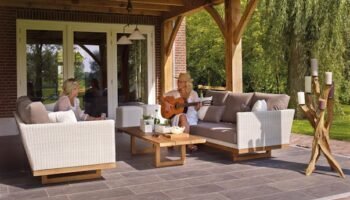

Sliding vs French vs Bifold Patio Doors
Your patio door is more than a hole in the wall—it’s a lifestyle choice that affects natural light, airflow, traffic flow, furniture layout, and resale value. In 2025, three options dominate homeowner shortlists: sliding patio doors, French doors, and bifold (“folding”) doors. Trends this year lean into narrow sightlines, black frames, flush thresholds, and high-performance glass—all aimed at maximizing views without sacrificing comfort.
I’ve watched these decisions get emotional. I’ll never forget opening a new 18-foot bifold set for a family—when that entire wall of glass disappeared, the kitchen and patio became one space and there were happy tears. But I’ve also seen bifold regret (more on that soon). This guide breaks down mechanics, costs, efficiency, security, installation, and best-use scenarios—with clear, visual language so you can picture how each system works in your home.
Sliding Patio Doors: The Space-Saving Classic
Design and Operating Mechanism
Think of a giant closet door for adults: one glass panel slides past a fixed panel on a track. Modern sliders use stainless or composite rollers that glide quietly and lock with a simple lever plus optional foot bolts or security bars.
Panel Configuration Options (2, 3, 4, 6-panel systems)
- 2-panel (one fixed, one active) is standard for 5–8 ft openings.
- 3-panel gives a wider central opening with one sliding panel and two fixed.
- 4-panel creates grander spans with two center sliders meeting in the middle.
- 6-panel multi-slide stacks panels to one or both sides (great for wide openings).
Key Advantages: Panoramic Views, No Swing Space Required
- No swing radius means furniture and rugs can live right beside the door.
- Slim frames (some as narrow as ~36 mm) maximize glass and daylight.
- Micro-venting: crack the panel 6 inches for controlled airflow without fully exposing the room—handy in shoulder seasons.
Pro tip from the field: For most clients who want everyday usability in variable climates, a premium slider with narrow sightlines punches way above its reputation.
Limitations: Only 50% Opening Access
Because one panel always stacks over another, max clear opening is ≈50% of the total width (unless you step up to multi-slide systems that pocket into the wall).
Typical Cost Range: $1,200–$4,500 for standard installations (materials + labor vary by size, glass spec, and brand).
French Doors: Traditional Elegance Meets Functionality
Double-Door Hinged Operation
Two hinged panels meet in the center and latch into a head and sill. The active leaf can work alone for quick in-and-out; open both for parties.
Inswing vs Outswing Configurations
- Inswing protects the doors from weather but needs interior clearance.
- Outswing saves interior space and seals tighter under wind load, but needs patio clearance.
Key Advantages: 100% Opening Width, Classic Aesthetic
Open both leaves and you get the full frame width. Architecturally, divided lites and wood grains complement colonials, farmhouses, and traditional façades.
I installed Marvin Signature French doors in an 1890 Colonial—true-divided lites outside, modern performance inside. The homeowners got the 19th-century look they love with a U-factor ~0.27 performance tier and warmer winters.
Limitations: Space Requirements for Door Swing
You’ll need 3–4 ft of clear swing path. Rugs, island stools, or dining chairs may conflict, so plan furniture around the arc.
Typical Cost Range: $1,500–$5,000 for standard installations.
Bifold Doors: The Modern Showstopper
Accordion-Style Multi-Panel System
Imagine a glass accordion: individual panels hinge together and fold to one or both sides along a top/bottom track. Great for wow-factor openings.
Track and Folding Mechanisms Explained
Multiple hinges and carriers align the stack; a daily-use “traffic door” can be built into the array for quick access without unfolding the entire wall.
Key Advantages: Wall-to-Wall Opening, Architectural Impact
Bifolds can clear up to ~90% of the opening, delivering seamless indoor–outdoor living for entertaining, grilling, and big gatherings.
Limitations: Higher Cost, Complex Installation
They’re precision systems with many moving parts. Proper structural headers and dead-level sills are non-negotiable.
Field note: A Boston client paid $22K for 16-ft bifolds. Stunning—but New England weather meant they fully opened them maybe 15 days a year. For their lifestyle and climate, a high-end slider would’ve saved ~$12K and delivered better year-round functionality.
Typical Cost Range: $3,000–$10,000+ depending on span, materials, and hardware.
Head-to-Head Feature Comparison
Opening Width and Access
- Sliding: ~50% maximum clear opening.
- French: 100% opening width.
- Bifold: Up to ~90% (panels stack at ends).
View and Sightlines When Closed
- Sliding: Historically the slimmest vertical mullion; superb for picture-window views.
- French: Wider stiles/rails and a center meeting stile—more frame, less glass.
- Bifold: Multiple panel joins create more vertical lines; modern systems minimize but can’t match top sliders for uninterrupted views.
Ventilation Control Flexibility
- Sliding: Best for incremental venting (a few inches to several feet).
- French: Great cross-breeze when both leaves open; less nuanced at partial.
- Bifold: Usable via traffic door; partial stacking can feel awkward visually.
Real-world perk: With sliders, I routinely leave a 6-inch gap for safe overnight venting—harder to do elegantly with French or bifolds.
Floor Threshold Options
- Flush/low thresholds are popular for barrier-free transitions and visual continuity. They reduce weather barriers, so pair with proper drainage planes, slope, and high-performance sills—especially in rainy or coastal climates.
Energy Efficiency Across Door Types
- U-factor (lower is better) depends more on glass package and frame material than on door type. Look for NFRC-rated products and ENERGY STAR® Climate Zone guidance.
- Weather sealing: Sliders often achieve excellent air infiltration thanks to continuous interlocks; French and bifolds rely on multiple seals and compression points—great when new, but maintenance matters.
- Double vs triple glazing: Triple panes lower U-factor and improve comfort; check weight and hinge/roller capacity.
- Air leakage ratings: Premium sliders typically test lower than French/bifold due to fewer operation breaks; the best French/bifold systems still hit very tight numbers when specified and tuned correctly.
Security and Safety Considerations
Locking Mechanisms by Type
- Sliding: Multi-point hooks, shoot bolts, and anti-lift blocks (prevent the panel from being lifted off its track).
- French: Multi-point locks at head/sill; shoot bolts in the passive leaf.
- Bifold: Often 4–8 locking points along the meeting stiles and head/sill for distributed security.
I’ve sat with insurance pros who debate which is “most secure.” Truth: spec and install quality matter more than the label. A mid-grade door with upgraded laminated glass and anti-lift devices often outperforms a fancy model installed poorly.
Hurricane and Impact Resistance (Florida HVHZ testing)
In hurricane zones, look for HVHZ-approved assemblies and impact-rated laminated glass validated by Miami-Dade Product Control and reference ASTM E1996/E1886 standards.
Forced Entry Resistance
Check third-party certifications and multi-point lock options; pair with tempered or laminated glass.
Glass Safety: Tempered vs Laminated Options
- Tempered breaks into small pebbles—safe but still a breach.
- Laminated stays bonded, resisting penetration and reducing noise/UV.
Installation Complexity and Requirements
- Structural opening:
- Sliding/French: standard headers work if sized for span and loads.
- Bifold: demands engineered headers with strict deflection limits; even minor sag will bind panels.
- Professional installation: Worth every penny—especially for bifolds.
- Timeline: Sliding (~1 day), French (1–2 days), Bifold (2–3 days) depending on finishing/drywall.
- Rough opening prep: Flat, level, square. Pan flashing, sill shims, back dams, and proper water management are must-haves.
Cautionary tale: A contractor set $18K bifolds without proper header sizing. Six months later the track sagged, operation went gritty, and we had to reinforce and reinstall—+ $8K. Don’t cheap out on structure.
Cost Analysis: Initial Investment and Long-Term Value
- Materials & sizes: Larger spans, premium frames (aluminum clad, fiberglass), and laminated/triple glass raise costs fast.
- Labor: Bifolds cost more to install—precision alignment takes time.
- Maintenance: Sliders need track cleaning/roller tune-ups; French doors need hinge lubrication/weatherstrip refresh; bifolds need track/hinge service at multiple points.
- ROI & resale: In luxury markets, dramatic openings (bifolds or multi-slides) can signal premium lifestyle and boost appraisals. In four-season climates where doors are closed most days, buyers often value view quality, thermal comfort, and ease of use over maximum clear width.
Maintenance Requirements by Door Type
- Sliding: Vacuum tracks, wipe debris, periodically adjust rollers and locks.
- French: Tighten hinges, lubricate, replace compressed weatherstrips as needed.
- Bifold: Keep weeps clear, check carriers, tune alignment, schedule pro service annually in demanding climates.
Best Door Type by Specific Scenario
- Best for Small Patios: Sliding doors (no swing, slim frames).
- Best for Traditional Homes: French doors (classic symmetry and millwork).
- Best for Indoor–Outdoor Living: Bifold doors (party-ready, wall-to-wall opening).
- Best for Limited Interior Space: Sliding doors (furniture flexibility).
- Best for Entertaining: Bifolds with a traffic door.
- Best Budget Option (2-panel): French doors can price well in standard sizes.
When clients tell me they host every weekend and live somewhere sunny/dry, bifolds shine. If they mostly work from home in a mixed climate and want quiet, views, and daily ventilation, a top-tier slider wins.
Material Options Across Door Types
- Aluminum: Light, strong, modern; great for ultra-narrow sightlines; needs thermal breaks for cold climates.
- Vinyl: Budget-friendly and insulating; look for reinforced frames on large panels.
- Wood: Warm, timeless, and high-maintenance; consider aluminum or fiberglass cladding outside.
- Fiberglass/Composite: Excellent thermal performance, stability, and low maintenance—often the best performance-to-price in harsh climates.
Explore finishes and care tips: Door Materials 101.
Design Trends and Aesthetic Integration (2024–2025)
Narrow Sightlines and Maximum Glass
Architects are pushing verticals slimmer than ever, especially in sliders and multi-slides.
Black Frame Trend
Matte black frames continue to rule—crisp against white interiors and natural wood.
Flush Threshold Options for Seamless Transition
Zero-step transitions blur indoor/outdoor boundaries; plan for drainage and exposure.
Integrated Blinds and Shades
Between-the-glass blinds cut dust, cords, and kid/pet hazards while preserving sightlines.
Top Brand Recommendations by Door Type
- Sliding: Origin OS-29 (ultra-slim), Pella, Andersen.
- French: Andersen E-Series, Marvin Signature, Pella.
- Bifold: Origin, Vufold, Marvin Ultimate Multi-Slide.
Brand choice should follow your opening size, climate, and glass spec. Prioritize independent performance ratings and consult Energy Saver window guidance U.S. DOE.
Final Decision Matrix: Which Door Is Right for You?
Start with four realities—space, climate, budget, lifestyle—then decide:
- Space availability
- No interior/exterior swing space? → Sliding
- Plenty of clearance and traditional style? → French
- Wide opening (≥12–16 ft) and hosting focus? → Bifold
- Climate & exposure
- Four seasons, frequent storms, or coastal? Prioritize laminated/impact glass, low air leakage, and drainage. Sliders often excel for tight sealing; bifolds require top-tier install & tune.
- Budget reality check
- Tight budget with charm goals? French (2-panel)
- Value modern views at mid cost? High-end slider
- Premium experience, design statement? Bifold (plan for pro install)
- Daily lifestyle
- Everyday venting, working from home: Sliding
- Heritage aesthetics, curb appeal: French
- Entertaining, big gatherings: Bifold
If you crave maximum view and daily ease, a sliding door with slim frames and laminated, low-E glass is the quiet superstar. If your home speaks classic architecture, French doors deliver timeless charm and full-width openings (when you have the space). If your heart wants wall-to-wall gatherings, bifolds create the ultimate moment—just budget for a flawless install and be honest about how often you’ll truly open them.
From the jobsite: I’ve seen tears of joy when bifolds vanish, and I’ve seen buyers wish they’d prioritized view quality + comfort over maximum opening. Make the honest call for your climate, layout, and lifestyle—and you’ll love your choice every single day.
Door systems should align with your window spec and climate goals—use the Windows & Doors hub to set targets first. For budgeting and energy expectations across the whole project, scan price bands in Best Replacement Windows 2025.
Editor’s Notes & Source Mentions
- Performance ratings and label decoding: NFRC Certification.
- Energy efficiency by climate: ENERGY STAR Windows, Doors & Skylights.
- Hurricane/impact guidance: Miami-Dade Product Control (HVHZ).
- Standards overview: ASTM Impact & Cycle Testing and U.S. DOE Energy Saver.
FAQs
Do sliding doors or French doors add more value?
Value follows architecture + condition. In traditional homes, French doors can boost perceived quality; in modern spaces with views, a slim-frame slider can feel higher-end. Appraisers notice fit, finish, and performance more than the label.
How much space do French doors need to open?
Plan 3–4 ft of clear swing space inside (inswing) or outside (outswing), measured from the hinge line to the widest point of furniture or railing.
Are bifold doors worth the extra cost?
If you’ll open them often and host regularly in a fair climate, absolutely. If you live in a cold or wet region and the doors are closed 90% of the year, consider a multi-slide or premium slider for views, comfort, and cost control.
Best patio door for indoor–outdoor living?
Bifold or pocketing multi-slide for the widest clear opening; ensure flush threshold + drainage.
Sliding door only opens halfway—problem or feature?
That’s the design of standard 2-panel sliders. To open wider, spec a 3-, 4-, or 6-panel multi-slide or consider bifolds.
Bifold doors for a 4-meter (~13-ft) opening—cost?
Expect roughly mid-to-high four figures to low five figures depending on frame, glass, and hardware; installation quality is a major cost driver.
French doors vs sliding doors for a small deck?
Sliding wins: no swing arc interfering with grills, planters, or seating.
Which patio door type is most secure?
All three can be very secure with multi-point locks, laminated glass, and proper install. Add anti-lift blocks on sliders, reinforced strikes on French/bifold.